How to Sell on eBay: A Beginner’s Guide
How to start selling on eBay: setting up your account, researching sold prices, writing listings that sell, auction vs Buy It Now, fees, shipping and ratings.

The real costs of Amazon FBA: referral and fulfilment fees, storage and inbound costs, advertising, returns, prep costs and how to calculate margins.
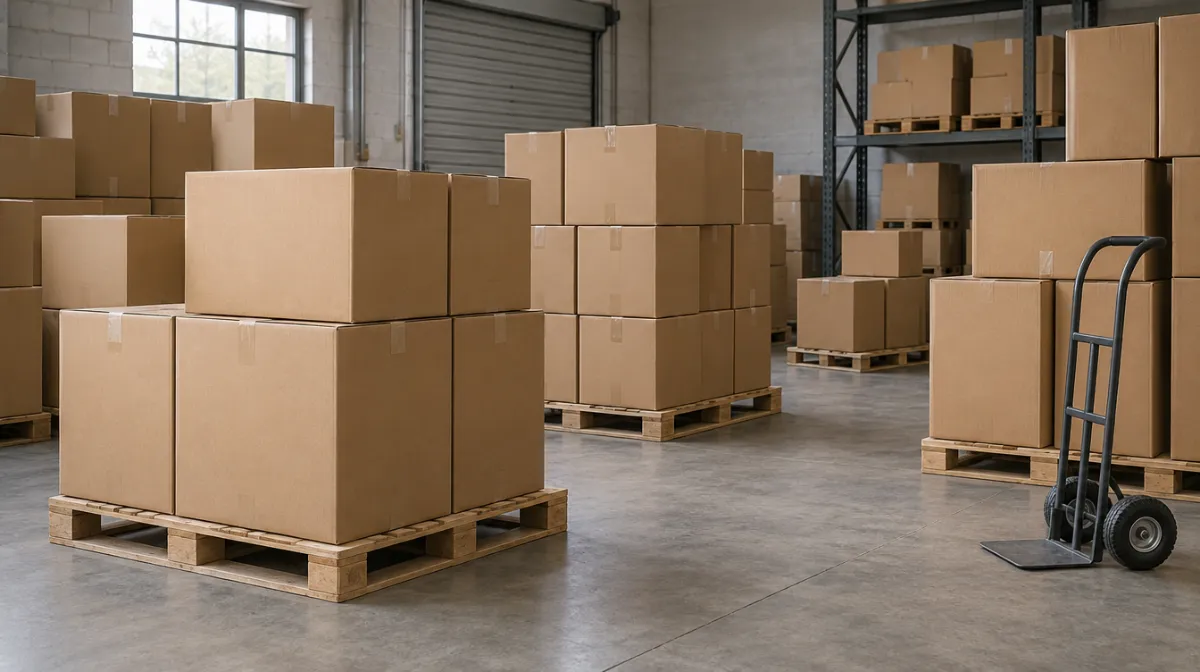
Fulfilment by Amazon (FBA) lets you store products in Amazon’s warehouses while Amazon handles packing, shipping and customer service. It can unlock enormous reach, but the costs are more complicated than they look.
| Cost | What it is |
|---|---|
| Referral fee | A percentage of each sale, varying by category |
| Fulfilment fee | Per-unit fee for picking, packing and shipping, based on size and weight |
| Storage fees | Monthly fees per unit of space, higher in peak season |
| Long-term or excess storage | Extra charges for slow-moving stock |
| Inbound costs | Shipping and placement fees to get stock into warehouses |
| Advertising | Sponsored product ads, often essential for visibility |
| Returns | Return processing and unsellable returns |
If what’s left is thin, one bad month of advertising or returns can put you in the red.
Selling via your own shipping or other marketplaces can suit bulky, slow-moving or unique items; see Etsy vs eBay vs Facebook Marketplace and shipping options for small sellers.
It can be for the right products, but margins depend heavily on fees, advertising and inventory management.
It depends on product cost and order quantity. Many sellers start with a small test order.
Small, lightweight, durable items with consistent demand and room for healthy margins.

Every article is edited by a human and checked against our editorial policy. Spotted a mistake? Tell us.
How to start selling on eBay: setting up your account, researching sold prices, writing listings that sell, auction vs Buy It Now, fees, shipping and ratings.
Where to sell online: Etsy, eBay and Facebook Marketplace compared on audience, fees, shipping, effort and what sells best on each, with tips for choosing.
How small online sellers can cut shipping costs: carriers, flat-rate vs weight-based, marketplace labels, packaging, dimensional weight and free shipping.