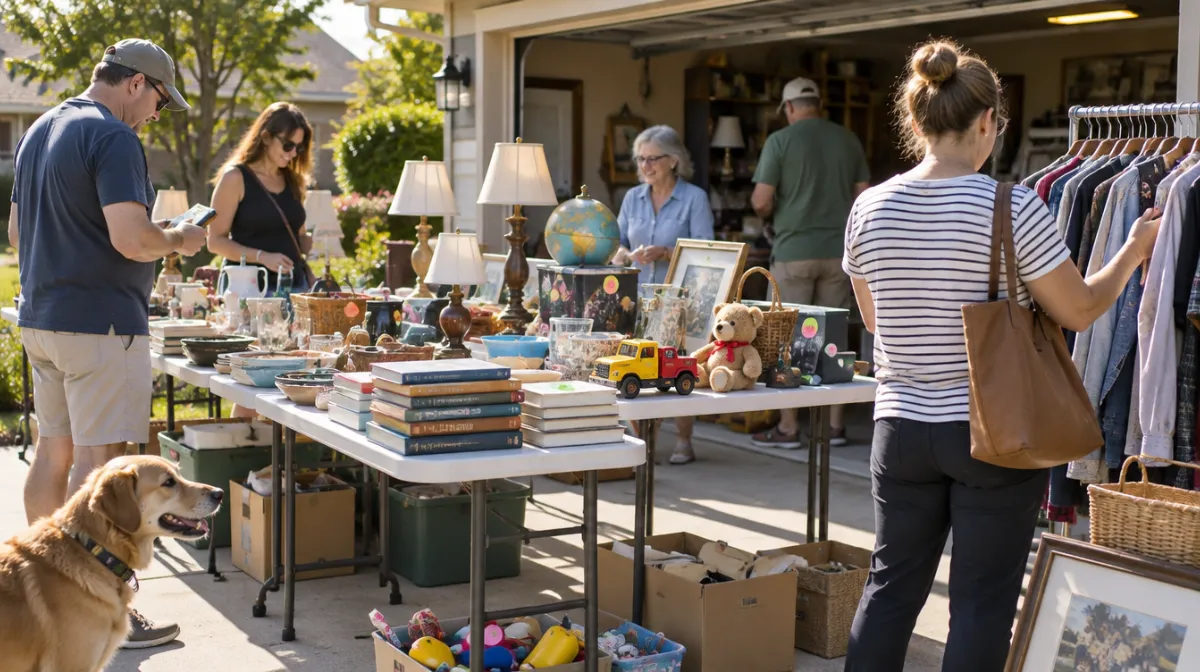
Check local permit and sign rules, and pick a dry weekend morning with no competing events.
Price everything clearly, group items by category and have plenty of small bills, coins and a payment app ready.
Keep your home locked, never sell recalled products and plan for leftovers before the day ends.
On this page
A good garage or yard sale clears clutter and puts real money in your pocket in a single morning. The sales that do best are planned: they follow local rules, pick the right weekend, advertise online and with clear signs, price every item, look tidy and inviting, and have a plan for whatever doesn’t sell. Here’s a step-by-step playbook.
Two to four weeks before
Check local rules. Some towns require a permit, limit how many sales you can hold a year or restrict where signs can go. Homeowners associations may have their own rules.
Pick the date. Saturday mornings are traditional. Avoid holiday weekends, big local events and forecast rain.
Team up. Multi-family or neighborhood sales draw bigger crowds.
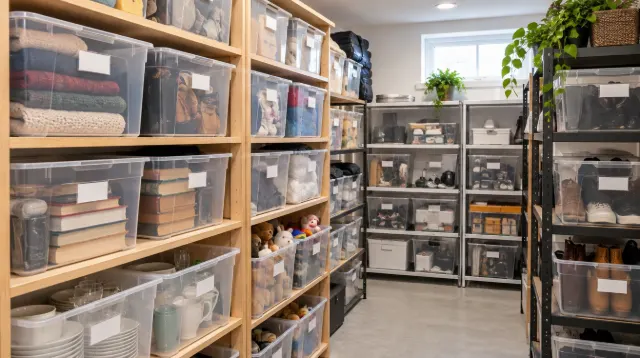
Sort as you go. Make piles for sell, donate, recycle and trash.
Check for recalls. Look up children’s products, cribs, strollers and appliances on the CPSC website. Selling recalled products is illegal in the US, and it’s dangerous. Many safety experts also advise against selling car seats and helmets whose history you can’t vouch for.
Pricing
Buyers expect bargains. A common rule of thumb is to price most items in good condition at around 10 to 30% of their original price. Typical starting points in many US neighborhoods:
Item
Rough starting price
Paperback books, DVDs
$0.50 to $1
Kids’ clothes
$1 to $3
Adult clothes
$2 to $5
Toys and games
$1 to $5
Small kitchen appliances (working)
$5 to $15
Furniture
Varies widely; research similar local listings
Tips:
Price everything. Unpriced items make shy buyers walk away.
Use colored dot stickers with a price key for speed.
Bundle small items: “any 3 for $1” or “fill a bag for $5”.
Post online a few days ahead in local buy-and-sell groups, neighborhood apps and marketplace garage sale sections. Include the date, start and end times, address or cross streets and photos of your best items.
Use big, simple signs: “YARD SALE”, an arrow and the date, in thick marker readable from a moving car.
Put signs only where allowed, and take them down afterward.
Decide on early birds. Some sellers welcome them; others write “no early sales” in the ad.
Setting up
Raise items to table height. People browse tables more than items on the ground.
Group by category: kitchen, books, toys, tools, clothes.
Hang clothes on a rail or clothesline, sorted by size.
Provide a testing spot with an extension cord so buyers can check electronics.
Put eye-catching items near the street to draw people in.
Keep paths clear and have bags or boxes for buyers.
Add a free box for odds and ends; it attracts people and reduces leftovers.
Money matters
Start with change: plenty of $1 and $5 bills and some coins.
Keep cash on you in an apron or money belt, not in an unattended box.
Accept a payment app if you like, but confirm each payment has arrived before items leave.
Check large bills. The US Currency Education Program explains the security features to look for.
Don’t accept checks from strangers.
In the US, selling personal items for less than you paid for them generally doesn’t create taxable income. If you take payment apps, you may receive a Form 1099-K once payments pass the IRS reporting threshold, so keep simple records of what you sold.
Haggling
Expect it. Haggling is part of the fun for many buyers.
Know your minimum for bigger items before the sale starts.
Counter with a bundle rather than just cutting the price.
Loosen up late in the day. Anything left after lunch is a candidate for half price.
Safety
Keep the house locked and don’t let strangers inside, including for bathroom requests.
Have at least two people at the sale at all times.
Keep pets and valuables out of the sale area.
Get help lifting heavy furniture into buyers’ vehicles.
After the sale
Run a half-price hour or “everything free” in the last 30 minutes.
Donate the rest. Many charities offer pickups for furniture and household goods; book ahead.
Twenty items resellers flip for profit, where to find them cheaply and where they sell best, plus how to price a flip once fees, shipping and time are counted.
How to price secondhand items: researching sold listings, condition grading, anchoring and negotiation room, fees and shipping, and when to drop the price.