
How to Sell on eBay: A Beginner’s Guide
How to start selling on eBay: setting up your account, researching sold prices, writing listings that sell, auction vs Buy It Now, fees, shipping and ratings.

How to sell used furniture online: where to list, how to price, photos and measurements that sell, handling pickup and delivery safely, and recall checks.
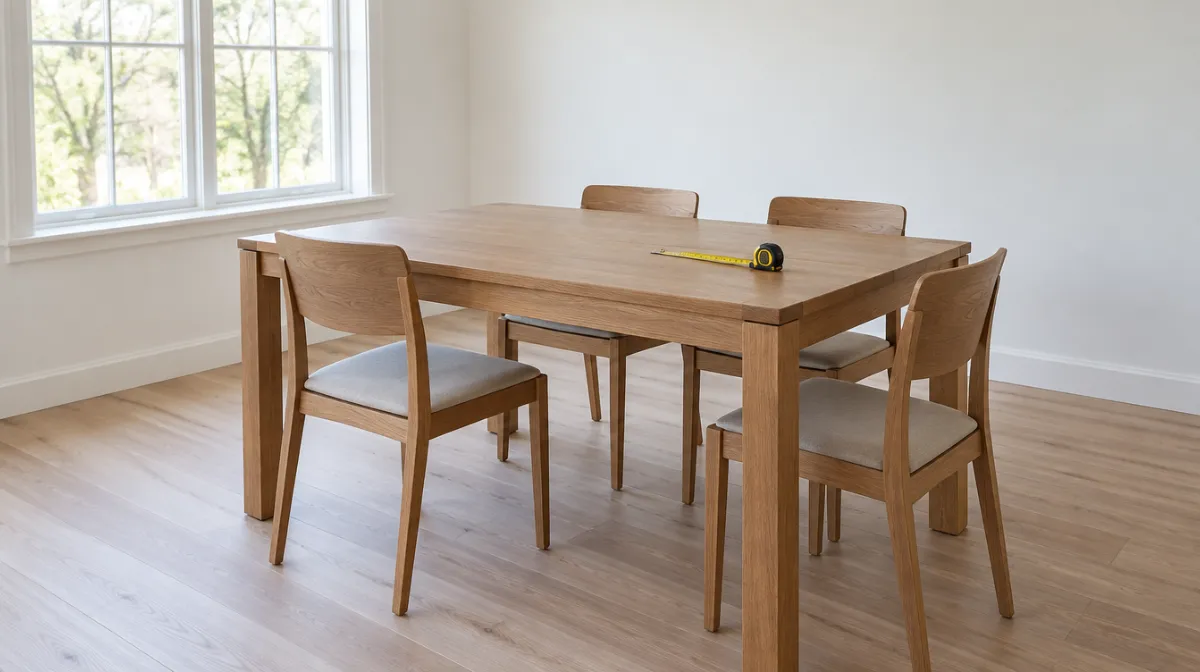
Used furniture sells well online, but bulky items bring their own challenges: pricing, measurements, pickup and heavy lifting. Local marketplaces such as Facebook Marketplace are usually the fastest route for everyday pieces, while designer and vintage furniture can fetch more on curated resale sites. Clean the piece, measure it, photograph it in good light, price it from comparable local listings and arrange a safe pickup.
| Platform type | Best for | Trade-offs |
|---|---|---|
| Local marketplaces (Facebook Marketplace, Craigslist, OfferUp, Nextdoor) | Everyday furniture, quick sales | You handle messages, pickup and scams |
| Curated furniture resale sites | Designer, mid-century and high-end pieces | Commission fees, quality standards |
| Local consignment stores | Good-quality pieces if you don’t want to deal with buyers | Commission, and they choose what to take |
| Retailer buy-back programs | Some brands’ own furniture | Store credit rather than cash, limited items |
| Garage sales | Low-value pieces | Lower prices; see our garage sale tips |
For platform-specific advice, read selling on Facebook Marketplace.
A common rule of thumb is that everyday used furniture in good condition sells for roughly 20 to 50% of its retail price, while quality vintage and designer pieces can sell for more. Our guide to pricing used items explains the research step by step.
Our guide to product photos with your phone has more techniques.
Furniture listings live or die on measurements. Include:
Our guide to writing listings that sell includes a template.
Buyers of big items almost always negotiate. Decide your minimum before you list and price a little above it. When someone offers less, a counter-offer, such as meeting halfway, usually works better than a flat no. If a piece hasn’t sold after two weeks, refresh the lead photo and drop the price once, meaningfully. Selling several pieces? Offer a bundle price, because buyers furnishing a new home often want a matching set.
Our Facebook Marketplace safety guide explains these scams.
It’s illegal to sell recalled products in the US, so check the CPSC recall database before listing cribs, dressers, high chairs and other children’s furniture. Cribs must meet current federal safety standards to be sold, and older drop-side cribs don’t. Dressers and bookcases can tip over; encourage buyers to anchor them to the wall, as the CPSC’s Anchor It campaign recommends.
Donate what you can, use your local bulk-pickup service for the rest, and recycle metal and wood where possible.
Solid wood pieces, well-known brands, mid-century and vintage furniture, and practical items such as dressers, bookcases, desks and dining sets tend to sell quickly.
Look at similar local listings and sold items, then adjust for brand, material, condition and size. Everyday pieces in good condition often sell for 20 to 50% of retail.
Offering delivery can widen your market, but only if you have the vehicle and help to do it safely. Charge enough to cover your time and fuel.

Every article is edited by a human and checked against our editorial policy. Spotted a mistake? Tell us.
How to start selling on eBay: setting up your account, researching sold prices, writing listings that sell, auction vs Buy It Now, fees, shipping and ratings.
Where to sell online: Etsy, eBay and Facebook Marketplace compared on audience, fees, shipping, effort and what sells best on each, with tips for choosing.
How small online sellers can cut shipping costs: carriers, flat-rate vs weight-based, marketplace labels, packaging, dimensional weight and free shipping.