Best Things to Flip for Profit: 20 Items Resellers Love
Twenty items resellers flip for profit, where to find them cheaply and where they sell best, plus how to price a flip once fees, shipping and time are counted.

Should you sell or trade in your old phone? Compare carrier and manufacturer trade-ins, buyback sites and private sales, and learn how to wipe it safely first.
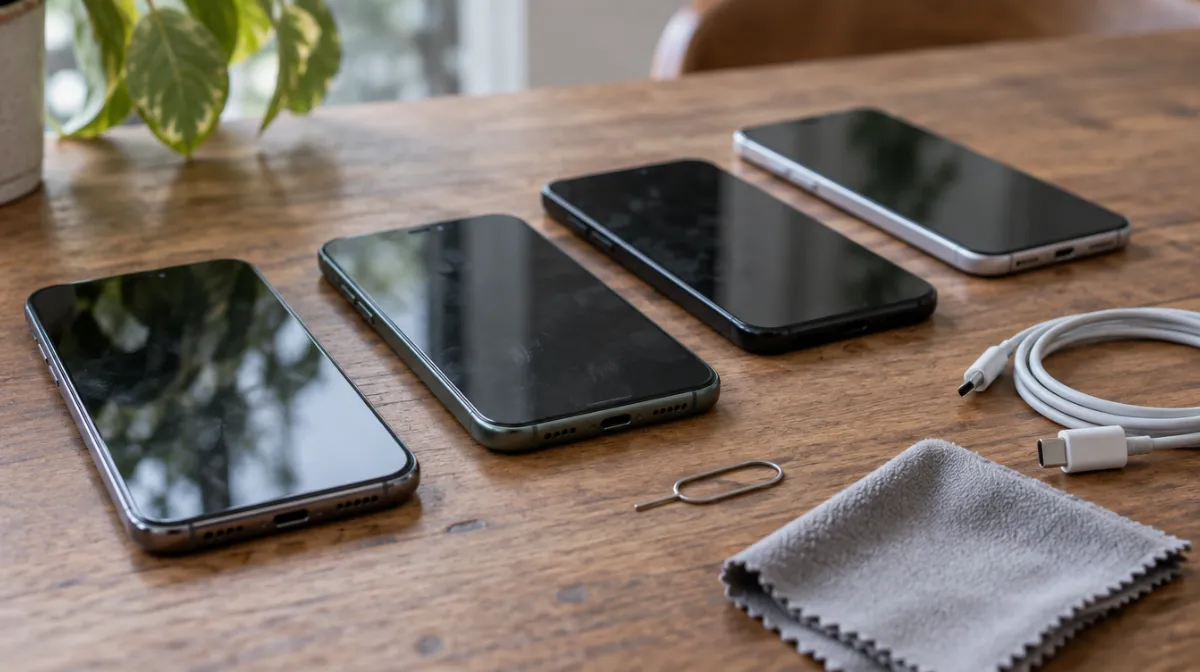
Your old phone is worth something, even if it’s a few years old or has a cracked screen. The short answer: selling privately usually gets the most money, trade-ins are the least effort and sometimes the best deal during promotions, and buyback sites or kiosks are fastest but pay less. Whichever you choose, the most important step is preparing the phone properly so none of your data or accounts go with it.
| Option | Value | Effort | Things to know |
|---|---|---|---|
| Private sale (marketplaces, resale apps, eBay) | Usually highest | Most | Photos, messages, shipping or meetups, scam risk |
| Carrier trade-in | Can be high during promotions | Low | Often paid as monthly bill credits and tied to a plan |
| Manufacturer trade-in | Moderate | Low | Credit toward a new device or a gift card |
| Buyback sites and kiosks | Lower | Very low | Fast cash; offers adjusted after inspection |
| Retailer trade-in | Moderate | Low | Often paid as store credit |
| Donate or recycle | None, or a tax receipt | Low | Good for very old or broken phones |
Value depends on:
Check recently sold listings for your exact model and storage, not asking prices. Our guide to pricing used items explains how.
Trade-in offers can look generous, but check:
Do this before you ship it, hand it over or trade it in.
Our Facebook Marketplace safety guide covers the common scams, and how to sell on eBay explains protections for shipped sales.
Repair shops and buyback sites often buy phones with cracked screens or dead batteries for parts. If nobody will pay, recycle it through a certified electronics recycler or a manufacturer or retailer take-back program. Phones contain valuable metals and batteries that shouldn’t go in household trash.
An old phone can be a backup device, a first phone for a child, a dedicated music player or a home camera. If you’re thinking about stepping away from smartphones altogether, it’s worth reading about whether a basic phone could replace your smartphone.
If you’re replacing your phone, a refurbished model can save money. Our guide to buying refurbished electronics explains what to check.
Selling privately usually earns more, but a carrier promotion can beat it if you meet the conditions and plan to stay with the carrier for the full credit period.
Yes. Remove any physical SIM and memory card, and transfer or delete your eSIM before you reset the phone.
The new owner won’t be able to activate the phone. You can usually remove the device remotely from your account online, but it’s much easier to do it before handing the phone over.

Every article is edited by a human and checked against our editorial policy. Spotted a mistake? Tell us.
Twenty items resellers flip for profit, where to find them cheaply and where they sell best, plus how to price a flip once fees, shipping and time are counted.
How to price secondhand items: researching sold listings, condition grading, anchoring and negotiation room, fees and shipping, and when to drop the price.
How to start a reselling side hustle: picking a niche, sourcing stock cheaply, pricing, listing, shipping, tracking profit, taxes and scaling up.