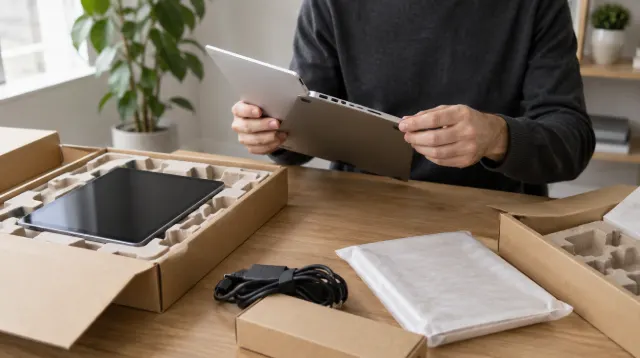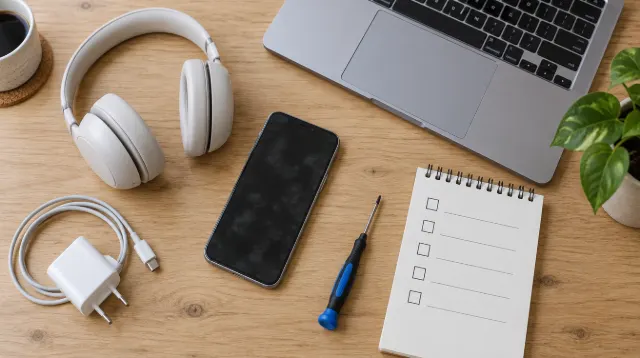
Buying Used Electronics Online: A 15-Point Checklist
A 15-point checklist for buying used phones, laptops, TVs and consoles online: locks and blacklists, battery health, screen defects and proof of ownership.

How to buy a used car online safely: research, vehicle history and recall checks, inspections, test drives, secure payment and spotting escrow scams.
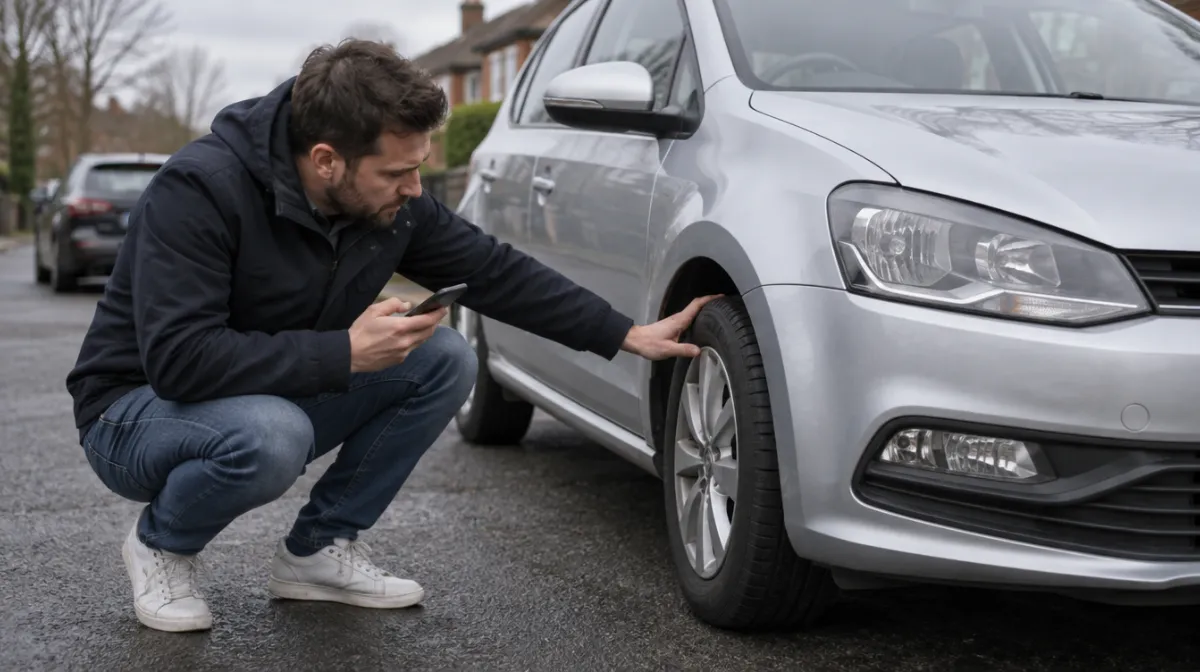
Buying a used car online can save time and money, but you can’t kick the tires before you click. The safe approach has four parts: research the model, verify the specific car with its vehicle identification number (VIN), get it inspected or buy with a return window, and pay only through secure, verifiable channels. The golden rule: never wire money or pay a deposit to a stranger for a car you haven’t seen. Fake listings and escrow scams are among the most common online car frauds.
| Source | Pros | Watch out for |
|---|---|---|
| Online car retailers | Home delivery, fixed prices, often a return window | Return terms, mileage limits, delivery fees |
| Dealer websites | Buyers Guide on every car, trade-ins, financing | Add-on products and dealer fees |
| Private sellers on marketplaces | Often lower prices | No Buyers Guide, more fraud risk, you handle the paperwork |
| Online auctions | Potential bargains | Limited inspection, fast decisions; best for experienced buyers |
In the US, dealers must display the FTC’s Buyers Guide on used cars. It tells you whether the car comes with a warranty or is sold “as is”, and it’s part of the sale contract.
Every car has a 17-character VIN. Ask for it before anything else. A seller who won’t share it is a red flag.
A clean report doesn’t prove a car is perfect; not every accident is reported. It’s one layer of protection, not the whole check.
A genuine seller answers readily. Evasive answers, pressure to decide quickly or refusal of an inspection are reasons to walk away.
An independent pre-purchase inspection by a mechanic you choose usually costs far less than a single hidden repair. On the test drive, check:
| Safer | Riskier |
|---|---|
| Financing arranged with your bank, credit union or the dealer | Wire transfers to private sellers |
| A cashier’s check handed over in person at the seller’s bank | Gift cards or cryptocurrency |
| A dealer’s secure payment system | Payment apps sent to strangers |
| Paying when you collect the car and the title | Deposits to “escrow” services the seller insists on |
Card payments and some payment services offer more protection than transfers. Our guide to buyer protection with PayPal, cards and bank transfers explains the differences.
These are variations on scams covered in our guides to spotting a fake seller and online shopping scams.
It can be, if you buy from an established retailer with a clear return window and use that time for an independent inspection. Buying unseen from a private seller carries much more risk.
The dealer isn’t offering a warranty, so repairs after the sale are your responsibility. The Buyers Guide shows whether a car is sold as is. Some states limit “as is” sales.
Run a title check for flood brands, look for musty smells, silt or rust under carpets and seats, and have a mechanic inspect it.

Every article is edited by a human and checked against our editorial policy. Spotted a mistake? Tell us.
A 15-point checklist for buying used phones, laptops, TVs and consoles online: locks and blacklists, battery health, screen defects and proof of ownership.
Your rights when returning items bought online: faulty vs change-of-mind returns, cooling-off periods, marketplace and private sales, and how to claim a refund.
How to buy refurbished phones, laptops and tablets with confidence: refurbished vs used vs open-box, grades, warranties, battery health and seller checks.