Facebook Marketplace Safety: How to Buy and Sell Without Getting Scammed
The most common Facebook Marketplace scams and how to avoid them: fake payments, verification-code tricks, overpayment, shipping scams and safe meetups.

Which online payment methods protect buyers: PayPal Goods and Services, credit and debit cards, chargebacks, payment apps and bank transfers, and what to avoid.
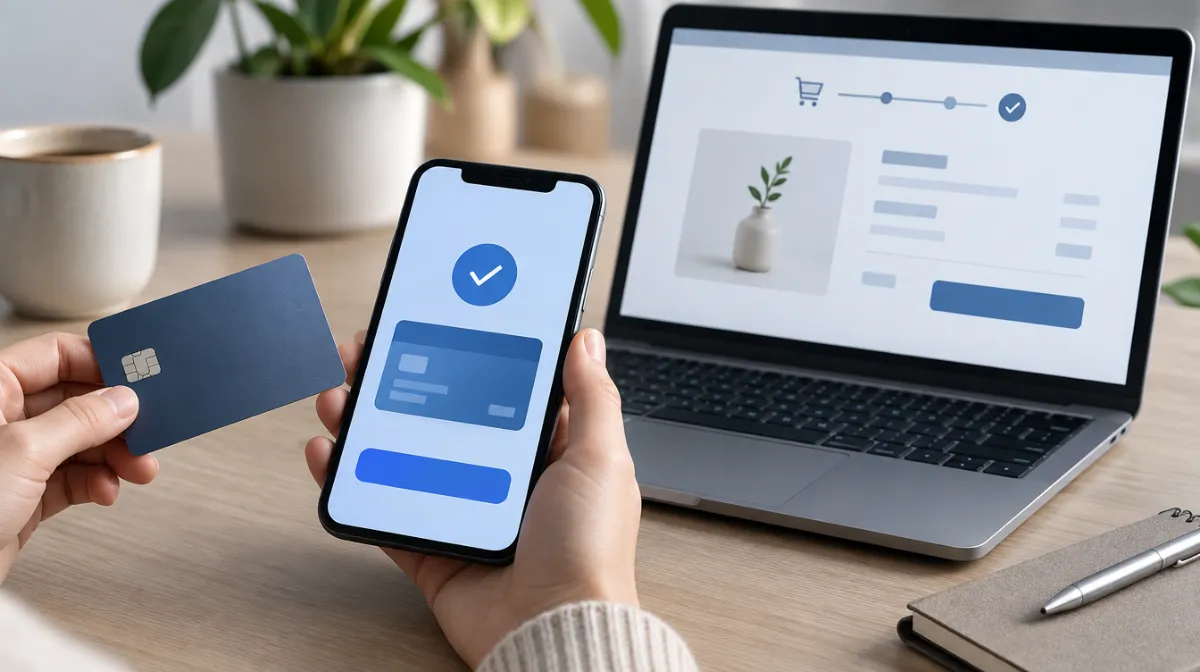
How you pay decides whether you can get your money back when something goes wrong. Some methods have strong protections; others are closer to handing over cash to a stranger.
| Method | Protection | Notes |
|---|---|---|
| Credit card | Strong | Chargeback rights; in some countries extra legal protection for larger purchases |
| Debit card | Moderate | Chargebacks often available, but rules differ from credit cards |
| PayPal (Goods and Services) | Good | Purchase protection for eligible transactions |
| PayPal (Friends and Family) | Little or none | Meant for people you know |
| Marketplace checkout | Good | Platform guarantees when you pay through the site |
| Peer-to-peer apps | Limited | Often designed for people you know |
| Bank transfer | Very limited | Hard to reverse once sent |
| Gift cards, crypto, wire transfer | None | Scammers’ favourite methods |
If a purchase isn’t delivered or isn’t as described, you can ask your card issuer to reverse the charge. Act quickly, keep evidence (screenshots, messages, tracking) and try to resolve it with the seller first.
A seller who insists on a bank transfer, gift cards or crypto, or asks you to use “Friends and Family” to avoid fees, is removing your protection. See how to spot a fake seller.
PayPal Goods and Services offers buyer protection for eligible purchases; bank transfers are much harder to reverse.
Sometimes, depending on your country and bank rules. Contact your bank immediately.
It’s safer than bank transfers, but credit cards usually offer stronger protection.

Every article is edited by a human and checked against our editorial policy. Spotted a mistake? Tell us.
The most common Facebook Marketplace scams and how to avoid them: fake payments, verification-code tricks, overpayment, shipping scams and safe meetups.
Ten warning signs of a fake online seller: prices too good to be true, new accounts, stolen photos, off-platform payments and pressure tactics, plus what to do.
Online shopping scams to watch in 2026: fake stores, social media ads, delivery texts, AI-generated reviews, fake deals and refund scams, and how to stay safe.