Facebook Marketplace Safety: How to Buy and Sell Without Getting Scammed
The most common Facebook Marketplace scams and how to avoid them: fake payments, verification-code tricks, overpayment, shipping scams and safe meetups.

Ten warning signs of a fake online seller: prices too good to be true, new accounts, stolen photos, off-platform payments and pressure tactics, plus what to do.
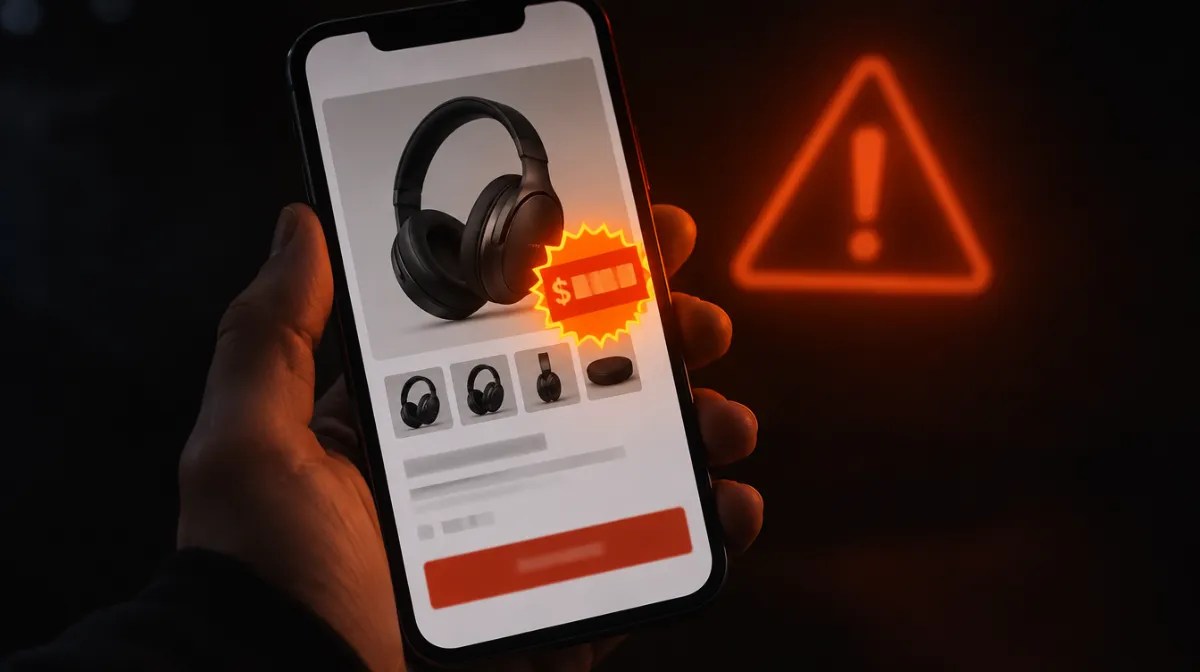
Fake sellers post listings for items they don’t have, take your money and disappear. They’re common on marketplaces, social media and fake websites. Here’s how to spot them.
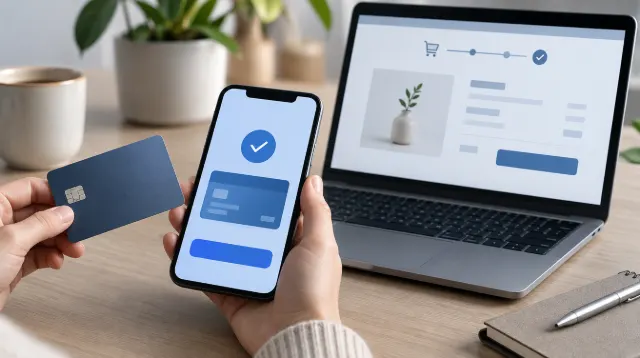
Use platform checkout or payment methods with purchase protection. Our guide to buyer protection: PayPal vs card vs bank transfer explains which methods can be reversed.
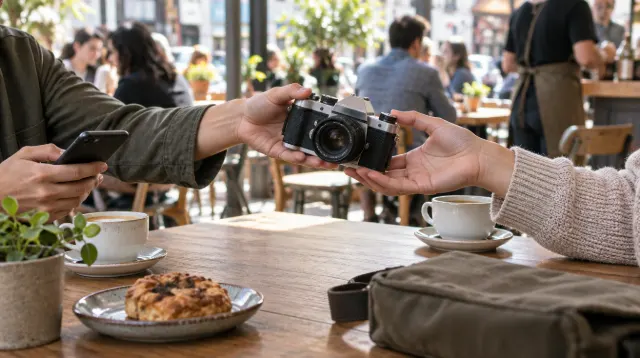
Meet in public, inspect first and pay on the spot; see Facebook Marketplace safety.
For more scam types, see online shopping scams to watch.
Check the domain, contact details, reviews on independent sites and payment options. Be wary of new sites with huge discounts.
Generally no, especially to someone you haven’t met. Deposits are a common scam tactic.
Possibly, if you paid with a protected method. Contact your provider quickly.

Every article is edited by a human and checked against our editorial policy. Spotted a mistake? Tell us.
The most common Facebook Marketplace scams and how to avoid them: fake payments, verification-code tricks, overpayment, shipping scams and safe meetups.
Which online payment methods protect buyers: PayPal Goods and Services, credit and debit cards, chargebacks, payment apps and bank transfers, and what to avoid.
Online shopping scams to watch in 2026: fake stores, social media ads, delivery texts, AI-generated reviews, fake deals and refund scams, and how to stay safe.