Facebook Marketplace Safety: How to Buy and Sell Without Getting Scammed
The most common Facebook Marketplace scams and how to avoid them: fake payments, verification-code tricks, overpayment, shipping scams and safe meetups.

How to spot counterfeit products online: price and seller red flags, listing and packaging clues, the riskiest categories, and what to do if you receive a fake.

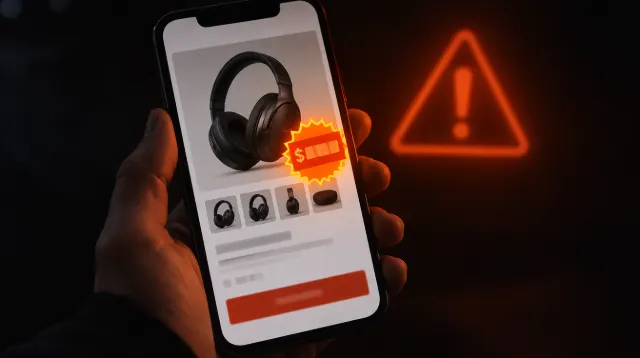
Counterfeit products turn up on online marketplaces, in social media ads and on convincing fake stores. The biggest clues are usually visible before you buy: a price far below retail, a seller with little or no history, only stock photos and vague descriptions. The safest approach is to buy from the brand’s own store or its authorized retailers, check sellers carefully elsewhere and pay with a method that lets you dispute the charge. Here’s what to look for and what to do if a fake arrives.
Counterfeits aren’t just a bad deal. US Customs and Border Protection warns that fake goods can be dangerous: counterfeit electronics can overheat or catch fire, and fake cosmetics and medicines may contain harmful ingredients. Fakes also come with no warranty, fall apart quickly and fund criminal networks.
| Clue | What to watch for |
|---|---|
| Price | Far below the usual retail price, especially for current luxury or tech products |
| Seller | New account, few reviews, generic name or reviews about other products |
| Photos | Only stock or brand images, or photos that don’t match the description |
| Wording | Spelling mistakes, “replica”, “inspired”, “1:1”, “AAA quality” or brand names misspelled on purpose |
| Stock levels | Large quantities of rare or limited-edition items |
| Shipping | Long delivery times from an unexpected location |
| Payment | Requests to pay by transfer, gift card or crypto, or to move off the platform |
Our guide to spotting a fake seller goes deeper on seller checks, and online shopping scams covers fake stores.
| Category | Why it’s risky |
|---|---|
| Chargers, cables and batteries | Poor insulation and missing safety circuits can cause shocks or fires |
| Cosmetics and skincare | Unknown or contaminated ingredients |
| Medicines and supplements | Wrong doses or dangerous ingredients; buy only from licensed pharmacies |
| Car parts | Fake brake pads, airbags or filters can fail when you need them |
| Toys | Small parts, toxic paint or weak construction |
| Helmets and safety gear | May not protect you in an accident |
| Memory cards and storage | Fake capacity; your files disappear |
| Luxury goods and sneakers | Big money at stake and sophisticated fakes |
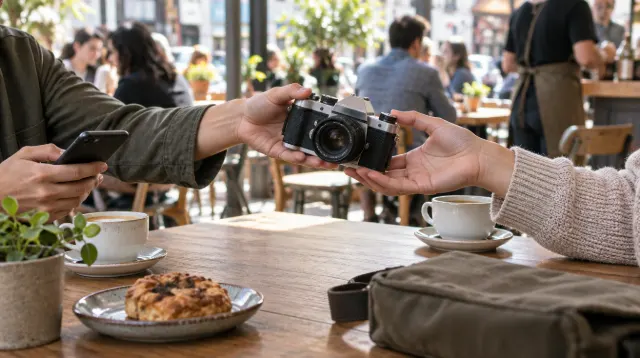
Resale is a great way to buy premium brands, but it’s also where fakes circulate. Ask for proof of purchase and close-up photos of labels, serial numbers and stitching. Some resale platforms offer authentication services for high-value items, which are worth using. A “dupe” that imitates a style without copying the brand’s name or logo is different from a counterfeit, which uses the brand’s trademarks to pass itself off as the real thing.
In the US, trafficking counterfeit goods is a federal crime. Buyers are rarely the target, but counterfeit goods shipped into the country can be seized by Customs and Border Protection, and you’d lose your money. If you’re shopping at home, knowing your returns and refunds rights helps if an item turns out to be fake.
No. A dupe copies a look or style without using the brand’s name or logo and is generally legal. A counterfeit uses the brand’s trademarks to pass as genuine.
Compare it with photos on the brand’s website, check serial numbers or authenticity codes with the brand, and look closely at packaging, materials and labels.
Often, yes. Start with the platform’s buyer protection, then dispute the charge with your card issuer or payment provider if needed.

Every article is edited by a human and checked against our editorial policy. Spotted a mistake? Tell us.
The most common Facebook Marketplace scams and how to avoid them: fake payments, verification-code tricks, overpayment, shipping scams and safe meetups.
Ten warning signs of a fake online seller: prices too good to be true, new accounts, stolen photos, off-platform payments and pressure tactics, plus what to do.
Which online payment methods protect buyers: PayPal Goods and Services, credit and debit cards, chargebacks, payment apps and bank transfers, and what to avoid.