Facebook Marketplace Safety: How to Buy and Sell Without Getting Scammed
The most common Facebook Marketplace scams and how to avoid them: fake payments, verification-code tricks, overpayment, shipping scams and safe meetups.

Online shopping scams to watch in 2026: fake stores, social media ads, delivery texts, AI-generated reviews, fake deals and refund scams, and how to stay safe.
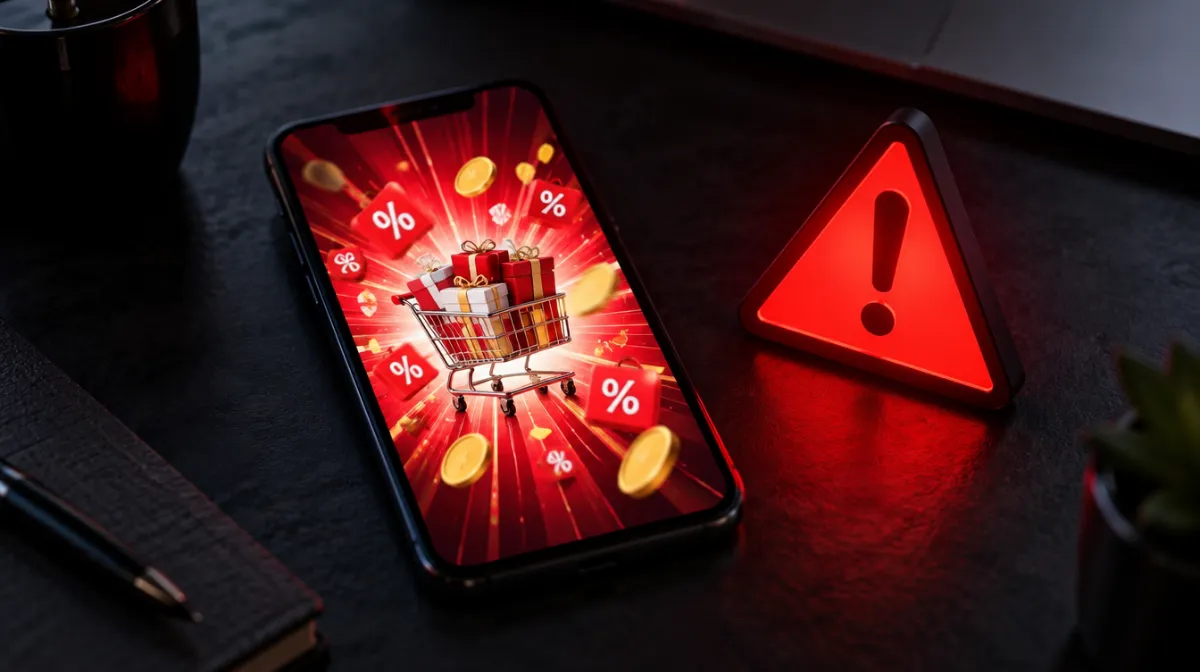
Online shopping scams keep evolving, but most still rely on the same tricks: unbelievable prices, urgency and payment methods you can’t reverse. Here are the ones to watch.
Slick websites with huge discounts on popular brands, often promoted through social media ads. Goods never arrive, or cheap fakes do. Check domain age, contact details and independent reviews.
Ads for “closing down” sales, viral gadgets or impossible bargains that lead to fake stores. Be especially wary of accounts with few followers or recent name changes.
Messages claiming a parcel is held and a small fee is needed. The link leads to a fake site that steals card details. Track parcels only through the retailer or carrier’s official app or website.
Fake reviews and even AI-generated videos of celebrities promote scam products. AIEmulate explains how to spot deepfakes and synthetic media.
Listings for items that don’t exist, with requests to pay outside the platform. See how to spot a fake seller.
“Accidental” overpayments followed by refund requests, or fake refund calls asking for remote access to your computer.
“Free trials” that quietly sign you up for expensive recurring charges. Read the terms and set reminders to cancel.
Contact your bank immediately, report the store or seller to the platform, and report the scam to your national fraud authority.
Look for very low prices, recent domain registration, missing contact details, poor reviews elsewhere and payment only by transfer or crypto.
Some are, but many are scams. Check deliveries only through official apps or websites.
Treat them with caution. Look for detailed, balanced reviews over time, and reviews on independent sites.

Every article is edited by a human and checked against our editorial policy. Spotted a mistake? Tell us.
The most common Facebook Marketplace scams and how to avoid them: fake payments, verification-code tricks, overpayment, shipping scams and safe meetups.
Ten warning signs of a fake online seller: prices too good to be true, new accounts, stolen photos, off-platform payments and pressure tactics, plus what to do.
Which online payment methods protect buyers: PayPal Goods and Services, credit and debit cards, chargebacks, payment apps and bank transfers, and what to avoid.